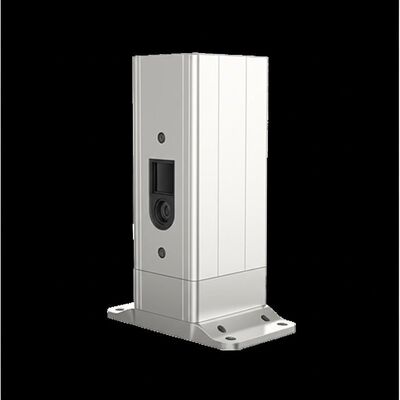
Deskripsi produk:
Molas 3D adalah sistem lidar pengukuran angin Doppler canggih yang beroperasi menggunakan teknologi pemindaian tiga dimensi.yang memungkinkan deteksi yang akurat dari kecepatan angin dan arah dalam waktu nyata.
Perangkat canggih ini mendukung beberapa mode pemindaian, termasuk P-Pl, RHl, DBS, dan pemindaian program, memberikan pilihan serbaguna untuk berbagai aplikasi.Fleksibilitasnya memungkinkan untuk disesuaikan untuk memenuhi persyaratan skenario pengukuran angin yang berbeda.
Molas 3D sangat cocok untuk penggunaan khusus seperti penilaian sumber daya angin lepas pantai, studi di medan yang kompleks, deteksi bangun turbin angin, dan peringatan pemotongan angin jalur penerbangan bandara.Selain itu, ini efektif untuk pengamatan meteorologi perkotaan dan deteksi turbulensi ketinggian tinggi, menjadikannya alat yang komprehensif untuk beragam kebutuhan pemantauan lingkungan.
Fitur:
Informasi Pengukuran yang Kaya
Sistem ini menyediakan pengukuran medan angin tiga dimensi rinci dengan resolusi yang halus.
Ini mendukung hingga 300 lapisan jarak yang dapat disesuaikan, memungkinkan pengumpulan data yang sangat tepat.
Jangkauan yang luas
Dilengkapi dengan kemampuan mendeteksi jarak hingga 10 kilometer, sistem ini secara efektif memantau daerah di bawah ketinggian 600 meter.
Hal ini memastikan liputan observasi yang luas dan komprehensif.
Keakuratan Tinggi
Perangkat ini mencapai akurasi penunjuk yang luar biasa 0,005 °, disertai dengan akurasi kecepatan angin arah visual 0,1 meter per detik.
Keakuratan seperti itu menjamin pengukuran yang dapat diandalkan dan akurat dalam berbagai kondisi operasi.
Berbagai Metode Pemindaian
Beberapa mode pemindaian didukung termasuk PPI, RHI, DBS, dan metode pemindaian sewenang-wenang yang dapat diprogram.
Fleksibilitas ini memungkinkan pengguna untuk menyesuaikan pola pemindaian dengan aplikasi dan persyaratan tertentu.
Penugasan Fleksibel
Dirancang untuk menjadi kompak dan ringan, sistem dapat dengan mudah dipindahkan dan dipasang di lingkungan yang berbeda.
Fitur ini meningkatkan kemampuan beradaptasi dan kenyamanan di lapangan.
Ketahanan Di Semua Cuaca
Peralatan ini dibangun untuk menahan kondisi luar yang keras tanpa mengorbankan kinerja.
Ini memiliki ketahanan hidup sesuai dengan standar LPz0 dan termasuk perlindungan terhadap serangan petir.
Aman untuk Digunakan
Keamanan dijamin melalui pelaporan lokasi GPS terintegrasi dan kemampuan geo-fencing.
Selain itu, langkah-langkah enkripsi data secara efektif menghilangkan risiko kebocoran data.
Beberapa opsi konfigurasi
Pengguna dapat memilih dari empat resolusi jarak yang berbeda dan lima waktu akumulasi, yang memungkinkan operasi yang dapat disesuaikan sesuai dengan kebutuhan pengukuran yang berbeda.
Parameter teknis:
| Jarak Deteksi Penglihatan |
10 km |
| Jangkauan vertikal |
-10 ~ 190° |
| Jarak Pengukuran Vertikal |
4 km |
| Metode Pemindaian |
PPI, RHI, DBS dan Program Scan |
| Jarak Lapisan |
Hingga 300 |
| Waktu penyimpanan data |
5 sampai 18 bulan |
| Resolusi Jarak |
15 m / 30 m / 75 m / 120 m |
| Output data |
Profibus DP / Modbus TCP / CAN Opsional |
| Kisaran kecepatan angin yang terlihat |
-75~+75 m/s |
| Ukuran |
756 mm × 735 mm × 1000 mm |
Produk lidar angin ini dirancang untuk aplikasi sensing jarak jauh dan sangat ideal untuk solusi penyewaan lidar yang membutuhkan kemampuan pengukuran angin canggih.
Aplikasi:
Penilaian sumber daya angin melibatkan pengukuran informasi bidang angin di area yang luas, yang membantu mengurangi risiko yang terkait dengan pemilihan lokasi untuk proyek energi angin.Dengan mengevaluasi sumber daya angin yang potensial dengan akurat, pengembang dapat membuat keputusan yang lebih tepat dan meningkatkan kelayakan peternakan angin.
Pengukuran kurva daya jarak jauh dan pengukuran arus gerimis sangat penting untuk mengoptimalkan pemanfaatan energi angin.Teknik-teknik ini membantu meningkatkan efisiensi turbin angin dengan mengurangi efek wake dan meningkatkan kinerja keseluruhan unit.
Deteksi dan peringatan dini dari fenomena meteorologi berbahaya, seperti pemotongan angin dan ledakan mikro, memainkan peran penting dalam keselamatan.Pemantauan peristiwa ini memungkinkan peringatan tepat waktu yang dapat melindungi operasi penerbangan dan kegiatan darat.
Pengukuran pusaran gelombang juga penting untuk mengoptimalkan pemisahan penerbangan di bandara.Hal ini memungkinkan manajemen lalu lintas udara yang lebih aman dan efisien dengan meminimalkan risiko insiden terkait turbulensi.
Memberikan informasi bidang angin yang terperinci membantu memahami keadaan angin di dalam lapisan batas atmosfer.
Keakuratan tinggi, informasi profil angin ruang-waktu tinggi dalam beberapa kilometer dari permukaan mengatasi kesenjangan kritis dalam pengamatan ketinggian rendah.Pengukuran yang tepat seperti itu mendukung prediksi cuaca yang lebih baik dan pemantauan lingkungan.
Informasi real-time tiga dimensi tentang dispersi bulu digunakan untuk melacak sumber emisi secara efektif.
Selain itu, pengoptimalan pengendalian emisi debu di industri pertambangan bergantung pada data angin yang akurat untuk meminimalkan dampak lingkungan.operasi pertambangan dapat menerapkan strategi mitigasi yang lebih efektif.


 Pesan Anda harus antara 20-3.000 karakter!